
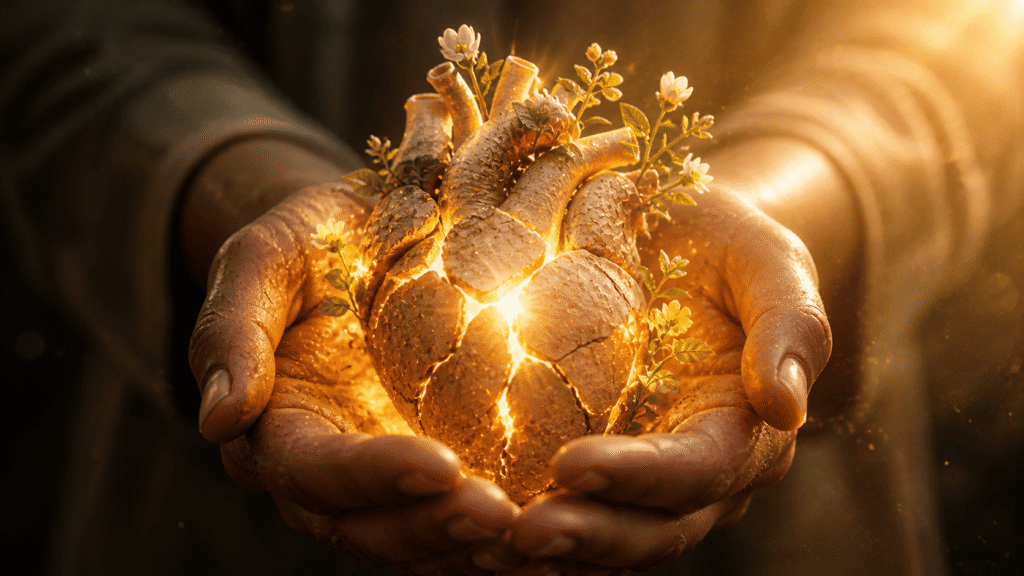
Your scars are not just reminders of what broke you. Instead, they can become the source of your greatest power. Many people who have faced deep pain, loss, failure or trauma later report becoming stronger, wiser and more purposeful. Moreover, this is not empty positivity. It is a well-researched psychological phenomenon known as Post-Traumatic Growth (PTG).
What Science Says About Turning Pain into Power
Psychologists Richard Tedeschi and Lawrence Calhoun first introduced the concept of post-traumatic growth in the 1990s. Furthermore, their research shows that positive psychological changes often emerge after struggling with highly challenging life events.

Key scientific findings include:
- A major meta-analysis revealed that 52.58% of people who experienced traumatic events reported moderate-to-high levels of PTG.
- Additionally, studies estimate that roughly 50-70% of trauma survivors experience some form of meaningful growth.
- Common areas of growth involve greater appreciation of life, stronger relationships, increased personal strength, openness to new possibilities and deeper spiritual or existential understanding.
However, it is important to remember: PTG does not mean the pain vanishes or that the trauma was “good.” On the contrary, growth and distress can coexist. As a result, many people rebuild themselves in ways that make them better than before in specific areas of life.
Why This Matters in 2026
In today’s fast-changing world of AI disruption, economic pressure and social media overload, more people carry invisible scars. Therefore, understanding PTG offers real hope: your pain has hidden potential.
7 Practical Steps to Turn Pain into Power
You don’t need to wait for years to begin healing. Instead, these evidence-based and easy-to-follow steps can help you start your transformation today:

- Acknowledge and Accept Your Pain Without Judgment: – First, stop fighting your emotions. Allow yourself to feel sadness, anger or grief. For example, try daily journaling or the simple 5-4-3-2-1 grounding technique. Consequently, acceptance creates space for real growth.
- Seek Support and Share Your Story: – Next, avoid isolation because it makes pain heavier. Moreover, talk to trusted friends, join a supportive community or consult a therapist. In addition, social support is one of the strongest predictors of PTG according to multiple studies.
- Practice Self-Compassion Daily: – Furthermore, treat yourself with the same kindness you would offer a good friend. For instance, replace harsh self-criticism with gentle understanding. A quick daily practice like mirror work (“I am healing and doing my best”) can make a big difference.
- Reframe Your Story Through Reflection: – Then, ask yourself powerful questions: What have I learned? How has this made me stronger or more empathetic? As a result, you gradually shift your narrative from “victim” to “warrior.”
- Build Small Daily Habits of Resilience: – Additionally, focus on what you can control – regular exercise, quality sleep, healthy eating and short mindfulness sessions. Even 10 minutes a day compounds over time. Therefore, these habits strengthen your sense of personal power.
- Find Meaning by Helping Others: – Moreover, use your pain for a bigger purpose. For example, mentor someone, volunteer or create content that supports others. Consequently, this step often brings the deepest sense of transformation.
- Celebrate Progress and Practice Gratitude: – Finally, every evening notes one small win and one thing you’re grateful for. Over time, this rewires your brain toward growth. Thus, you train yourself to notice positive changes even on difficult days.
Pro Tip: Remember, PTG is a journey, not a quick fix. Some days will feel heavy, yet consistency matters far more than perfection.
Real Transformation Is Possible

Countless individuals have turned their deepest wounds into wisdom and strength. Therefore, your scars do not define your limits. Instead, they mark the exact place where your superpower began.
Final Thought
The pain you carry today might feel like the end of something beautiful. However, it could also be the beginning of your strongest and most meaningful chapter yet.
Start with just one step today. Your future self – wiser, stronger and more compassionate – is already waiting.
This is original content written for inspiration. Always consult a qualified mental health professional for personalized support, especially when dealing with trauma.
Share in the comments: Which scar taught you the most? How are you turning your pain into power?