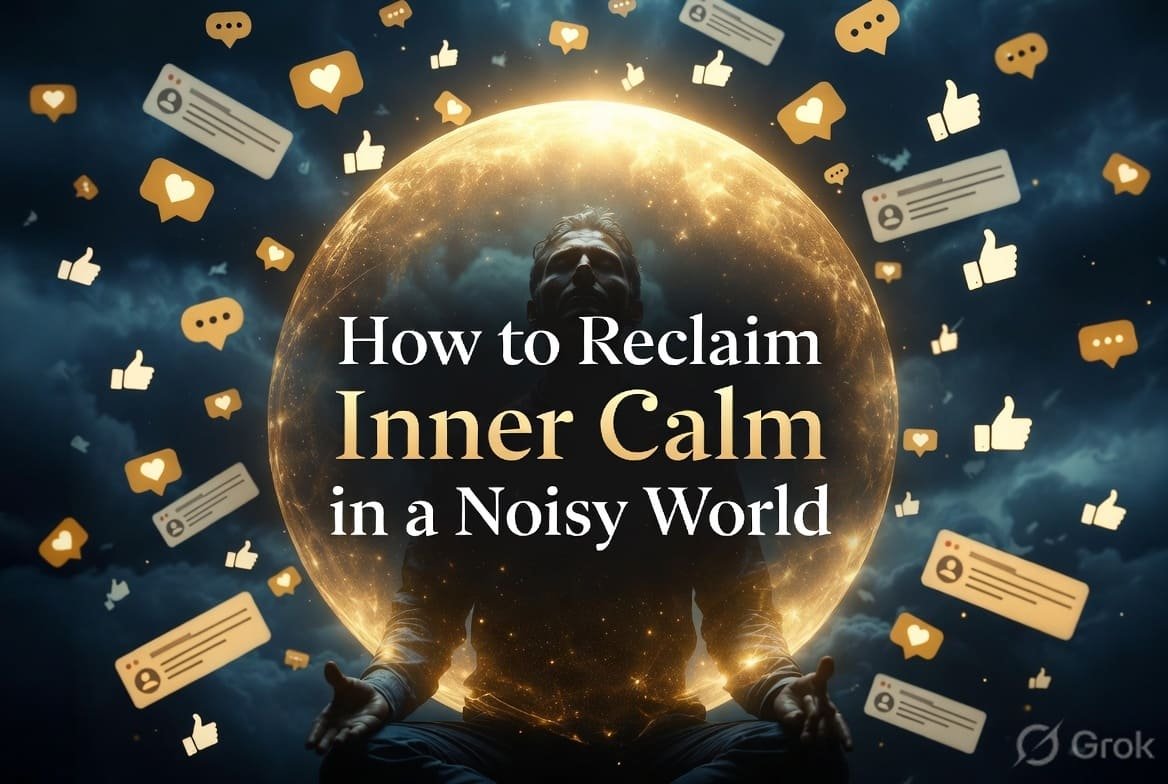
We live in an age of constant noise. Notifications buzz every few minutes. Social media feeds show perfect lives, luxury vacations and success stories. As a result, many of us feel anxious, overwhelmed and never good enough. However, it is possible to reclaim your inner calm even in this noisy digital world.
In this blog, we will understand why notifications and comparisons disturb our peace. Moreover, we will explore what science says about their impact. Finally, you will discover simple, practical steps to reduce stress and bring back calmness in your daily life.
The Hidden Cost of Notifications and Comparisons
Notifications are designed to grab your attention. Every ping releases a small hit of dopamine – the brain’s reward chemical. However, this constant stimulation trains your brain to crave quick rewards. Over time, it leads to reduced attention span, increased anxiety and difficulty relaxing.

Studies show that frequent notifications cause “attention residue” – your brain keeps thinking about the last notification even while doing other tasks. Additionally, social media overload contributes to anxiety, fatigue and lower self-efficacy.
Comparisons make the problem worse. When we scroll through highlight reels of others’ lives, we often engage in upward social comparison. This means comparing us to people who seem better off. Research in psychology reveals that frequent upward comparisons are strongly linked to lower happiness, reduced self-esteem and higher levels of depression and envy.
Furthermore, the combination of both – endless notifications and social comparisons creates a perfect storm for mental exhaustion. Many people report feeling restless, irritable and disconnected from their real lives.
Why Inner Calm Matters More Than Ever
Inner calm is not just feeling relaxed. It is the ability to stay centered despite external chaos. When you have inner calm, you make better decisions, enjoy small moments and maintain healthier relationships. Therefore, protecting your peace has become an essential skill in modern world.

The good news? You can train your mind to resist digital overload. Moreover, small consistent changes can create big improvements in your mental wellbeing.
8 Simple Steps to Reclaim Your Inner Calm
Here are practical and easy-to-follow steps you can start today:
- Audit and Reduce Notifications First, check your phone settings and turn off non-essential notifications. Keep only important ones (messages from loved ones or work emergencies). As a result, you will immediately feel less pressure. Many people notice reduced anxiety within just a few days of this change.
- Practice Digital Boundaries Next, create “no-phone zones” and times. For example, keep your phone outside the bedroom at night and avoid checking it during meals. Furthermore, try a 1-hour digital detox every evening. This simple habit helps your brain recover and improves sleep quality.
- Limit Social Media Consumption Additionally, set a specific time limit for social media (30–45 minutes per day). Use built-in screen time tools to enforce it. Moreover, unfollow accounts that trigger comparison and follow content that inspires or educates you instead.
- Practice Mindful Awareness Whenever you feel the urge to check your phone, pause for 10 seconds and notice your breath. Studies on mindfulness show that even short daily practices can significantly reduce compulsive phone checking and improve focus and emotional regulation.
- Replace Comparison with Gratitude Every morning or night, write down three things you are grateful for. In addition, celebrate your own small progress instead of comparing it with others. This habit rewires your brain to focus on abundance rather than lack.
- Spend Time in Nature Furthermore, spend at least 20–30 minutes daily outside without your phone. Research consistently shows that time in nature lowers cortisol (stress hormone) levels and improves mood and mental clarity.
- Engage in Single-Tasking Train yourself to do one thing at a time. Whether eating, walking or working – give it full attention. Consequently, you will experience deeper satisfaction and reduced mental fatigue.
- Create a Calm Evening Routine Finally, develop a peaceful wind-down ritual – reading a physical book, light stretching, journaling or meditation. This helps signal your brain that it is time to relax and improves overall sleep quality.

Pro Tip: Start with just 2–3 steps instead of trying everything at once. Small, consistent changes work better than big dramatic shifts.
The Long-Term Benefits of Inner Calm
When you reclaim your calm, you will notice several positive changes. You will feel more present with family and friends. Moreover, your focus and productivity will improve. Most importantly, you will develop stronger mental resilience against future digital distractions.
Many people who follow these practices report feeling happier, less anxious and more in control of their lives.
Final Thought: Calm Is a Choice
In a world designed to keep you distracted and comparing, choosing inner calm is a powerful act of self-care. However, it does not require moving to a mountain or deleting all apps. It simply needs awareness and small daily habits.

You deserve peace. You deserve to enjoy your own life without constant comparison. Start today with one small step – turn off a few notifications or practice 5 minutes of mindful breathing.
Your calmer, clearer and happier self is waiting on the other side of these habits.