
In our fast-paced and often stressful lives, it is easy to focus on what is going wrong. However, shifting our attention to what is going right can create powerful changes. Gratitude is more than just saying “thank you.” It is a mindful practice of appreciating the good things in life, big or small. Moreover, science now proves that gratitude is not just a nice feeling – it is a skill that can improve your mental health, physical wellbeing and overall happiness.
In this article, we will explore why gratitude works so well, what scientific research says and most importantly, simple steps you can take to make gratitude a daily habit.
What Science Says About Gratitude
Gratitude has been studied extensively in recent years and the results are impressive.
A large 2025 meta-analysis published in PNAS reviewed 145 studies involving over 24,000 participants from 28 countries. It found that gratitude practices lead to real improvements in positive emotions, life satisfaction and overall wellbeing. Furthermore, people who regularly practice gratitude show lower levels of anxiety and depression.
Another major study from the Nurses’ Health Study (2024) followed nearly 50,000 older women. Researchers discovered that women with the highest levels of gratitude had a 9% lower risk of dying from any cause over four years compared to those with the lowest gratitude levels. This benefit remained even after accounting for factors like diet, exercise and existing health conditions. Additionally, gratitude was linked to better heart health and lower risk of cardiovascular disease.
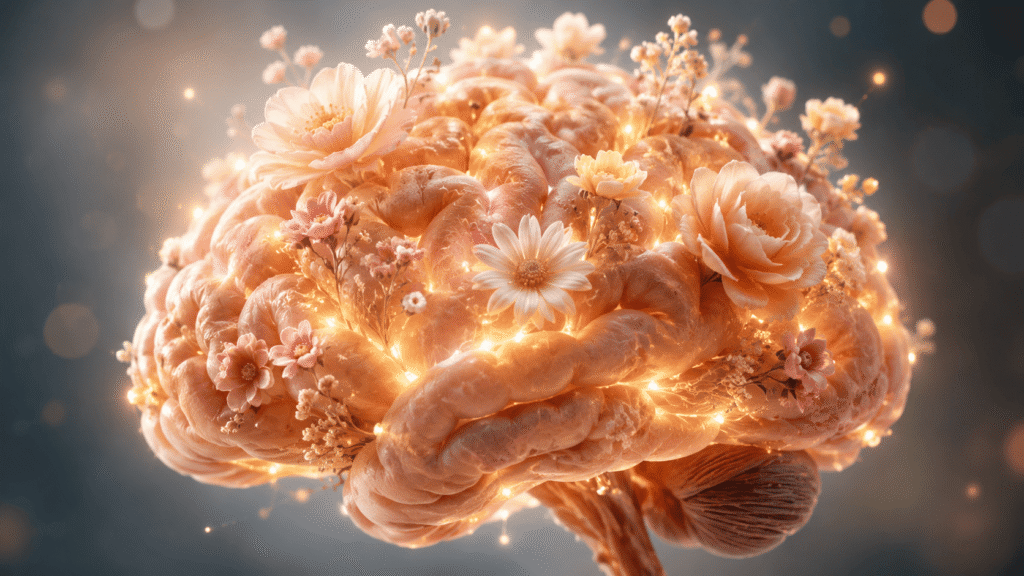
Moreover, gratitude affects the brain physically. Research shows that regular gratitude practice increases gray matter volume in areas responsible for learning, memory and emotional processing. It also reduces the stress hormone cortisol and activates the brain’s reward system, releasing dopamine and serotonin – chemicals that naturally improve mood.
However, gratitude does not mean ignoring problems. Instead, it helps you face challenges with a more balanced and resilient mindset. As a result, grateful people often cope better with adversity and maintain stronger relationships.
Why Gratitude is So Powerful
Gratitude works because it counters our brain’s natural negativity bias – the tendency to focus more on threats and problems than on positive things. Furthermore, when you regularly practice gratitude, you train your brain to notice opportunities, kindness and small joys that were always there but often overlooked.
Additionally, gratitude strengthens social bonds. When you express thanks to others, it builds trust and deepens connections. Studies show that grateful teams and couples experience less stress and greater satisfaction in their relationships.
8 Simple Steps to Practice Gratitude Daily
You don’t need to make big changes. Here are easy, practical steps you can start today:
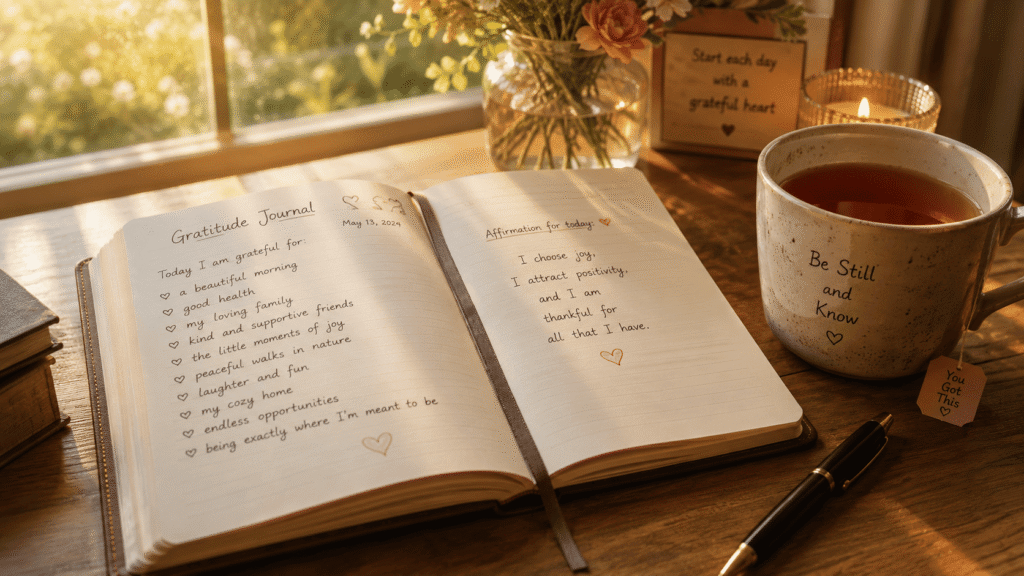
- Start a Gratitude Journal Every evening, write down three things you are grateful for. Moreover, mention why they matter to you. This simple habit has been shown to increase happiness and optimism within weeks.
- Practice Morning Gratitude As soon as you wake up, think of three things you appreciate before checking your phone. This sets a positive tone for the entire day.
- Express Gratitude to Others Next, tell people thank you in person or through a message. For example, thank a friend for their support or a colleague for their help. Additionally, writing a heartfelt thank-you note creates even stronger benefits.
- Use the “Three Good Things” Technique At the end of each day, reflect on three positive events and explain why they happened. This exercise helps shift focus from problems to blessings.
- Create a Gratitude Jar Write small notes of gratitude on paper slips and put them in a jar. On tough days, pull out a few notes to remind yourself of the good in life.
- Practice Mindful Gratitude During daily activities like eating or walking, pause and truly appreciate the moment. For instance, notice the taste of your food or the comfort of your shoes. Consequently, you will feel more present and content.
- Turn Challenges into Gratitude Opportunities Even in difficult situations, look for lessons or small positives. For example, after a tough day at work, you can be grateful for having a job or for the support of your family.
- Make Gratitude a Family or Team Habit Finally, share gratitude during dinner or meetings. This builds stronger bonds and creates a positive environment around you.

Pro Tip: Start small. Choose just 1 or 2 steps and practice them consistently for 21 days. Small daily actions create lasting changes.
The Long-Term Benefits of Living with Gratitude
People who regularly practice gratitude report better sleep, fewer physical complaints, stronger immune systems and more satisfying relationships. Moreover, they tend to be more resilient during tough times and experience greater overall life satisfaction.
Gratitude does not change your circumstances overnight. However, it changes how you experience and respond to them. As a result, you become more optimistic, compassionate and emotionally strong.
Final Thought: Gratitude is a Choice
In a world full of challenges and distractions, gratitude is a powerful tool available to everyone – completely free of cost. It costs nothing, yet it can give you everything: better health, stronger relationships and deeper joy.
Start today with just one grateful thought. Over time, this simple practice can transform your mindset and your entire life.

You already have many reasons to be grateful. The question is – are you noticing them?
Begin your gratitude journey now. Your future, happier and calmer self is waiting.