Are you a student who wants to know how to stop procrastinating for students? You open your books but somehow end up scrolling on your phone or watching videos instead. If this sounds familiar, you are not alone. Millions of students struggle with procrastination every day. The good news is that you can overcome it with simple daily habits and a little understanding of how your brain works.
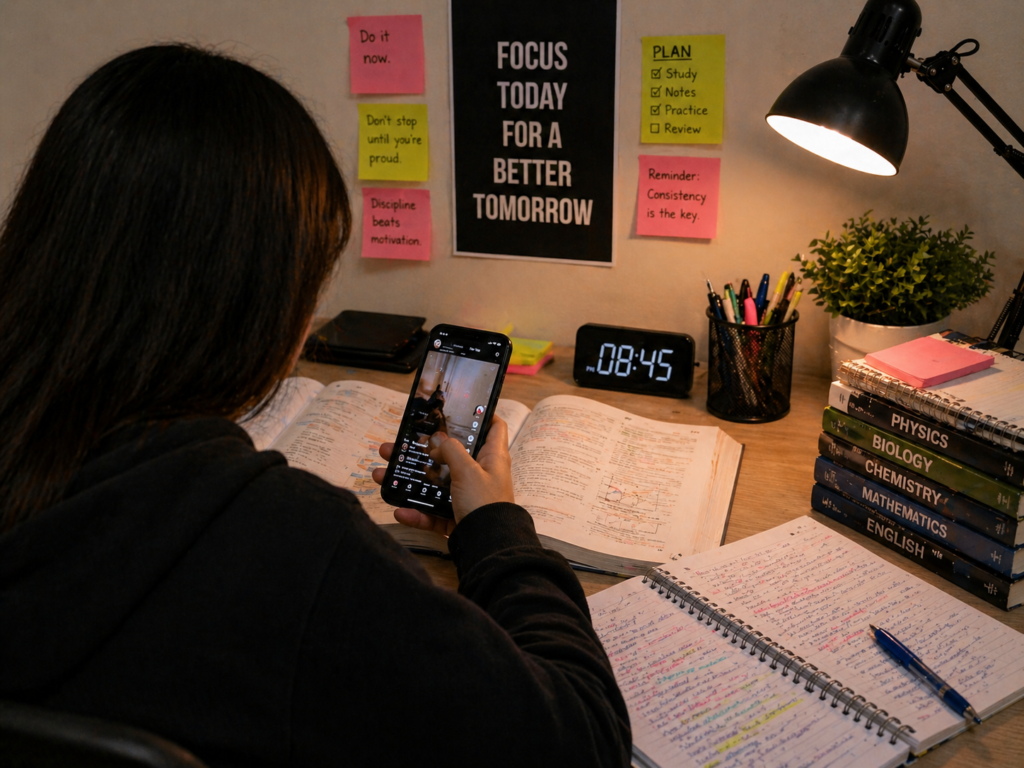
Why Do Students Procrastinate? The Science Behind It
Procrastination is not laziness. It is actually your brain trying to protect you from discomfort.
Inside your brain, there are two main parts that fight each other. The limbic system (the emotional part) loves quick rewards like likes, snacks or funny videos because they give instant dopamine – a feel-good chemical. On the other hand, the prefrontal cortex (the logical part) knows that studying now will bring good grades and a bright future.
But the emotional brain is older and stronger. It hates hard or boring tasks and pushes you toward easy pleasures. This is called present bias – your brain prefers small rewards right now instead of bigger rewards later. That is why you choose Netflix over notes when the deadline feels far away.
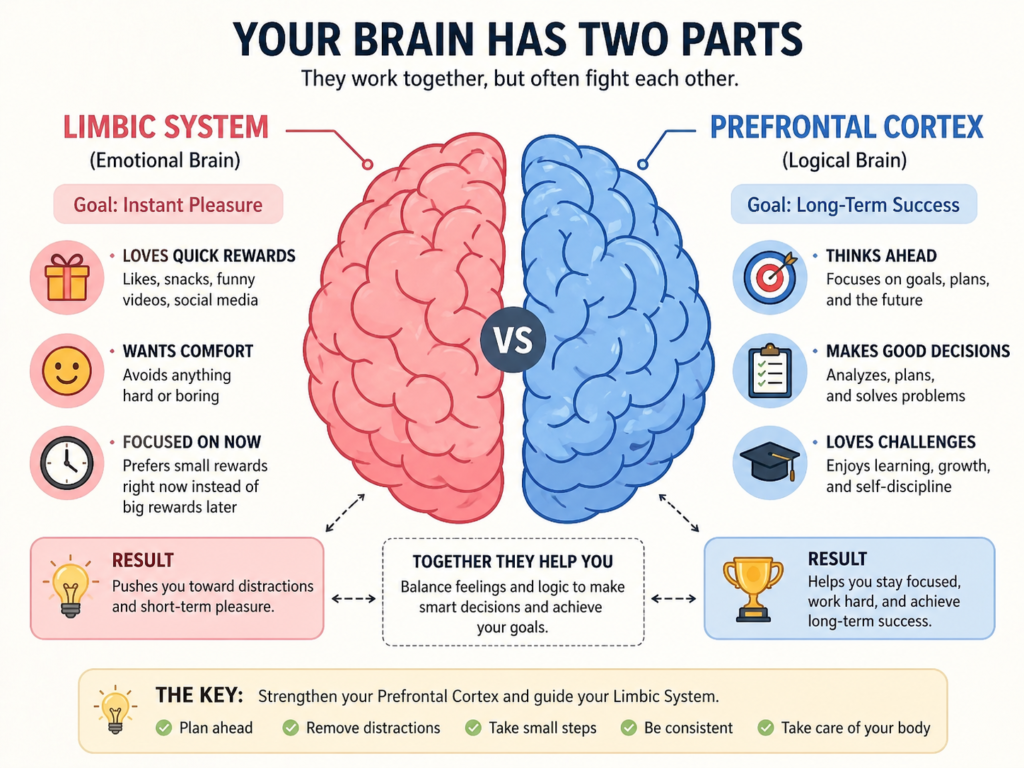
Understanding this science is the first step to stop procrastinating for students. Once you know why your brain does this, you can work with it instead of fighting against it.
Simple Tips to Stop Procrastinating That You Can Use Every Day
You don’t need complicated systems. Here are easy, practical tips that any student can start today:
- Use the 2-Minute Rule Tell yourself: “I will just open my book and study for 2 minutes.” Most of the time, once you start, you keep going. This trick tricks your brain into overcoming the initial resistance.
- Break Big Tasks into Tiny Steps Instead of thinking “I have to finish the entire assignment,” say “I will write only the first paragraph.” Small steps feel less scary and help you build momentum.
- Try the Pomodoro Technique Study for 25 minutes, then take a 5-minute break. Use a simple timer on your phone. After four rounds, take a longer 15–20-minute break. This keeps your brain fresh and stops overwhelm.
- Remove Distractions Before You Start Put your phone in another room or use apps that block social media. Create a clean study spot with only what you need. A small change in environment can make a big difference.
- Make Yourself Accountable Tell a friend or family member what you plan to finish today or join a study group. When someone else knows your goal, you are more likely to follow through.
- Take Care of Your Body Sleep well, drink water and move your body for even 10 minutes a day. A tired or hungry brain gives more power to the emotional part and makes procrastination worse. Good habits strengthen your focus naturally.
How to Make These Habits Stick
Start with just one tip for one week. Don’t try to change everything at once. Celebrate small wins – like finishing one task without delay. Over time, these small wins train your brain to choose work over distraction more easily.
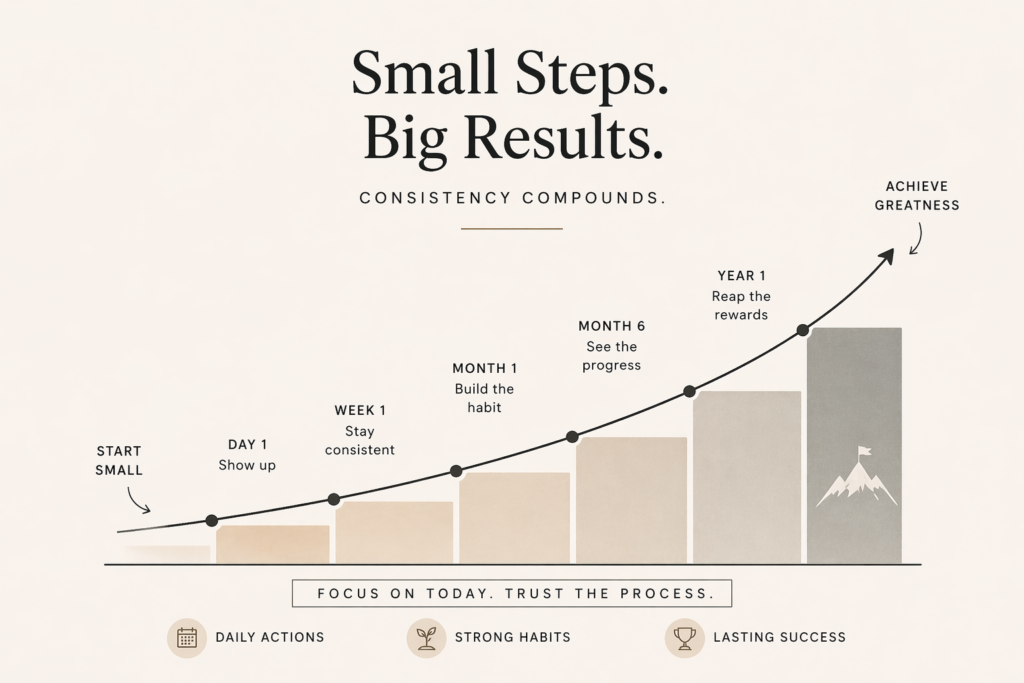
Remember, the goal is not to become perfect. The goal is to stop procrastinating enough so that you feel in control of your time and studies.
Final Thoughts
Procrastination is something every student faces, but it doesn’t have to control your life. The key is not to fight your brain but to understand it and guide it in the right direction.
You don’t need to become perfect overnight. Even the smallest step – opening your book, studying for two minutes or completing one tiny task – counts more than you think. These small actions build confidence and slowly rewire your habits.
Remember, consistency always beats motivation. There will be days when you don’t feel like studying and that’s okay. What matters is showing up anyway, even if it’s just for a short time.
Over time, these simple habits will turn into a routine and studying will feel less like a struggle and more like a natural part of your day.
Start small, stay consistent and trust the process. Your future self will thank you.